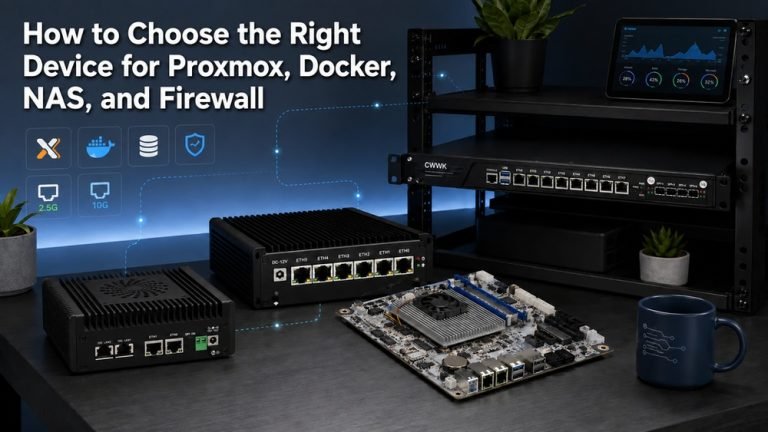
Advanced NAS Features Explained: Docker Virtualization SSD Cache Ai Automation And Future Technologies

Modern network-attached storage (NAS) systems offer much more than simple file sharing. Today, advanced NAS devices offer powerful features such as Docker virtualization, SSD caching, AI automation, and support for emerging technologies. These features help businesses and home users build flexible, efficient, and secure storage solutions. Understanding these technologies can help you make better decisions and get more from your NAS investment.
This article explains the most advanced NAS features, how they work, and why they matter. We will explore real examples, compare options, and look at what the future holds for NAS technology. Whether you are a beginner or an experienced user, this guide will help you discover how advanced NAS features are changing the way we manage data.
Docker Virtualization on NAS
Docker is a popular tool for running applications in containers. Containers are like small packages that include everything an app needs to run: code, libraries, and settings. With Docker virtualization, NAS devices can run many apps and services side-by-side, without interfering with each other.
What Is Docker Virtualization?
Docker virtualization lets you install and run software in isolated environments called containers. Each container is lightweight and starts quickly. Unlike traditional virtual machines, containers use less memory and storage. This means you can run more services on your NAS without slowing it down.
Most modern NAS brands, like Synology, QNAP, and Asustor, include built-in Docker support. You can easily install Docker from the NAS app store and start running containers within minutes.
Benefits Of Docker on NAS
Using Docker containers brings many advantages:
- Isolation: Each app runs separately, so if one crashes or has a security issue, others stay safe.
- Portability: Containers can be moved from one NAS to another or even to a cloud server with little effort.
- Easy Updates: You can update containers without affecting other parts of the system.
- Efficiency: Containers use fewer resources than virtual machines, so you can run more apps at the same time.
- Fast Deployment: Apps start quickly and can be set up with just a few commands.
Real Examples Of Docker Use On NAS
NAS owners often use Docker to run:
- Media servers like Plex or Jellyfin for streaming movies and music.
- Backup tools that automatically save files from computers.
- Home automation platforms such as Home Assistant.
- Web servers and databases for small websites.
A practical example: a user can run Plex in one container, Home Assistant in another, and a WordPress site in a third—all on the same NAS. If Plex needs an update, you can upgrade its container without touching the others.
Common Mistakes And How To Avoid Them
Beginners sometimes make errors when starting with Docker:
- Not understanding container networking: Containers need correct network settings to talk to each other or to the NAS.
- Forgetting about persistent storage: By default, containers do not save data when stopped. You must set up volume mounts to keep your files safe.
- Installing too many containers: Each uses memory and CPU. Check your NAS specs before running several at once.
Data Table: Docker Vs Virtual Machine on NAS
Here is a comparison between Docker containers and traditional virtual machines on NAS devices:
| Feature | Docker Container | Virtual Machine |
|---|---|---|
| Startup Time | Seconds | Minutes |
| Resource Usage | Low | High |
| Isolation | Medium | Strong |
| Portability | Easy | Harder |
| Use Case | Apps, Services | Full OS |
Insight: Many people think Docker is only for developers. In reality, even basic users can benefit from running media servers or backup tools in containers.
SSD Cache in NAS
An SSD cache is a smart way to speed up your NAS. It uses fast solid-state drives (SSDs) to store frequently accessed data, while the main storage stays on slower hard drives (HDDs). This improves performance, especially for tasks like reading and writing files.
How SSD Cache Works
When you set up an SSD cache, the NAS stores popular files on the SSD. For example, if you often open certain documents or stream media, those files get saved to the cache. The next time you access them, the NAS reads from the SSD, which is much faster than reading from the HDD.
There are two main types of SSD cache:
- Read Cache: Speeds up file reading. Best for situations where you access the same files often.
- Read-Write Cache: Speeds up both reading and writing. Useful for editing files, uploading photos, or using databases.
Table: Read Vs Read-write Ssd Cache
| Type | Use Case | Performance Boost | Risk |
|---|---|---|---|
| Read Cache | Streaming, Viewing | High (Read) | Low |
| Read-Write Cache | Editing, Uploading | High (Read & Write) | Medium (Data loss if SSD fails) |
Benefits of SSD Cache
- Faster file access: Users notice much shorter wait times when opening large files.
- Better performance for many users: If several people access the NAS at once, SSD cache keeps things running smoothly.
- Improved app speed: Docker containers and virtual machines also run faster with SSD cache.
Practical SSD Cache Tips
- Use enterprise SSDs if your NAS handles heavy workloads. Consumer SSDs may wear out faster.
- Set up RAID for SSD cache if your NAS supports it. This protects against SSD failure.
- Monitor SSD health regularly. Most NAS systems offer tools to check wear and performance.
Common SSD Cache Mistakes
- Using too small an SSD for the cache. If the cache fills up, performance drops.
- Forgetting to back up data. A read-write cache can lose unsaved data if the SSD fails.
- Not updating firmware. SSDs need firmware updates to fix bugs and improve speed.
Insight: Many beginners think SSD cache is only for big businesses. In fact, even a home NAS can benefit from a small SSD cache, especially for media and backups.
AI Automation in NAS
Artificial Intelligence (AI) is changing the way NAS systems work. AI automation helps users manage files, analyze data, and even secure their storage with less effort. NAS vendors are adding more AI-powered features every year.
What Is Ai Automation?
AI automation uses smart software to perform tasks automatically. For NAS, this means:
- Sorting files: AI can organize photos by faces or scenes.
- Detecting threats: AI scans for viruses or suspicious activity.
- Optimizing storage: AI moves files to the best location based on usage patterns.
Some NAS models now include built-in AI chips to speed up these tasks.
Examples of AI Automation in NAS
- Photo management: Synology’s Moments app uses AI to recognize faces and group photos.
- Smart backups: AI can identify important files and back them up first.
- Security alerts: AI watches for unusual access and warns users.
Benefits of AI Automation
- Saves time: Tasks like organizing files or scanning for threats happen automatically.
- Reduces errors: AI catches mistakes humans might miss.
- Improves security: AI can find and fix problems faster than manual checks.
Data Table: Ai Automation Features In Popular Nas Brands
| Brand | AI Feature | Purpose |
|---|---|---|
| Synology | Photo Recognition | Organizes images |
| QNAP | AI Surveillance | Detects security events |
| Asustor | Smart Backup | Prioritizes important files |
Practical AI Automation Tips
- Train AI features with your own data. For example, tag faces in photos for better results.
- Set security alerts at the right level. Too many alerts can be confusing.
- Regularly update AI apps and firmware.
Common AI Automation Mistakes
- Not using AI tools at all. Many users ignore built-in AI features.
- Over-relying on AI. Manual checks are still important for sensitive data.
- Not customizing settings. Default AI settings may not fit your needs.
Insight: AI is not just for tech experts. Even simple users can benefit from auto-sorting photos or smart backup tools.
Future Technologies In Nas
NAS technology is evolving quickly. New features are being introduced to make storage faster, safer, and more flexible. Understanding these trends helps you prepare for future upgrades and investments.
Emerging Nas Technologies
- NVMe SSD support: NVMe drives are much faster than regular SSDs. New NAS models now offer slots for NVMe SSDs, improving cache and app speed.
- 10 Gigabit Ethernet: Older NAS devices use 1 GbE ports. The latest models support 10 GbE, which is ten times faster. This is ideal for video editing and large backups.
- Hybrid Cloud Integration: Many NAS devices now connect directly with cloud services like AWS or Google Drive. You can sync files or back up data off-site.
- Edge Computing: Some NAS systems process data locally, reducing the need to send information to the cloud. This is important for privacy and speed.
- Blockchain for Storage: A few NAS brands are experimenting with blockchain technology to secure and verify files.
Table: Future Nas Technologies And Their Impact
| Technology | Benefit | Use Case |
|---|---|---|
| NVMe SSD | Very high speed | Video editing, databases |
| 10GbE Ethernet | Fast transfer | Large backups, streaming |
| Hybrid Cloud | Flexible storage | Remote work, disaster recovery |
| Edge Computing | Data privacy | IoT, AI analytics |
| Blockchain Storage | File verification | Legal, finance |
Benefits Of Embracing Future Nas Technologies
- Higher speed: Users can transfer and process data much faster.
- Better reliability: Advanced connections and storage types protect against loss.
- Flexible scaling: You can add more storage or connect to the cloud as needed.
Practical Tips For Future-proofing Your NAS
- Choose NAS models with upgradable hardware. Look for extra RAM slots, NVMe bays, and 10 GbE ports.
- Use cloud sync to protect important files.
- Stay informed about new NAS firmware and app updates.
Common Mistakes With Future Nas Technologies
- Buying old models that lack NVMe or 10 GbE support.
- Not testing backup and cloud sync regularly.
- Ignoring security for edge computing or blockchain apps.
Insight: Many people think future NAS features are too advanced. In fact, features like NVMe SSDs and cloud integration are now affordable for home users.
Comparing Nas Models With Advanced Features
Choosing a NAS with advanced features can be confusing. Let’s compare some popular models based on Docker virtualization, SSD cache, AI automation, and support for future technologies.
Table: Comparison Of Advanced Nas Models
| Model | Docker Support | SSD Cache | AI Automation | NVMe/10GbE |
|---|---|---|---|---|
| Synology DS1621+ | Yes | Yes | Photo AI | NVMe, 10GbE (optional) |
| QNAP TS-873A | Yes | Yes | Surveillance AI | NVMe, 10GbE |
| Asustor Lockerstor 8 | Yes | Yes | Smart Backup | NVMe, 10GbE |
Key Factors To Consider
- Performance Needs: If you need fast file access or plan to run many containers, look for NVMe and 10GbE.
- Security Features: AI automation can help protect your data. Choose models with built-in virus scanning or smart alerts.
- Expansion Options: Pick a NAS that allows you to add more SSDs, RAM, or network cards.
- Ease of Use: Some brands offer better interfaces for Docker or AI features.
Common Buyer Mistakes
- Focusing only on storage size. Advanced features are just as important.
- Ignoring software updates and app compatibility.
- Not planning for future needs, like cloud integration or faster networking.
Insight: Many buyers overlook AI features. These can save time and boost security, especially for photo and surveillance tasks.
Setting Up Advanced NAS Features: Step-by-step
Getting started with advanced NAS features can feel overwhelming. Here’s a practical guide to help you set up Docker, SSD cache, and AI automation.
Step 1: Installing Docker on NAS
- Open your NAS web interface.
- Search for Docker in the app store or package center.
- Click install and follow the prompts.
- Launch Docker and pull containers from Docker Hub.
- Set up network and volume mounts for persistent storage.
Tip: Always check official guides for your NAS model. Each brand has unique steps.
Step 2: Configuring SSD Cache
- Install SSDs in the cache slots or drive bays.
- Open the storage manager in your NAS interface.
- Select “Create SSD Cache” and choose read or read-write.
- Assign the cache to your main storage volume.
- Monitor cache status regularly for health.
Tip: Use SSDs with high endurance ratings for longer life.
Step 3: Enabling AI Automation
- Install AI apps from the NAS app store.
- Set up AI photo or backup features.
- Train AI with your own data (e.g., tag faces in photos).
- Adjust security alert settings.
- Update AI apps and firmware as needed.
Tip: Combine AI automation with manual checks for best results.
Real-world Use Cases
Advanced NAS features are not just for tech professionals. Here are examples of how different users benefit.
Small Business
A small business uses a Synology NAS with Docker to run a CRM app, manages files with SSD cache, and relies on AI for security alerts. When a new employee joins, the NAS quickly sets up their workspace using containers.
Home User
A home user stores family photos on a QNAP NAS. AI automation sorts images, SSD cache speeds up video streaming, and Docker runs a personal website. Cloud sync ensures backups are always safe.
Creative Studio
A video studio uses an Asustor NAS with an NVMe SSD and 10GbE networking. Editors work directly from the NAS, saving hours each week. AI helps organize footage and protect against ransomware.
Insight: Advanced NAS features help all kinds of users—from families to businesses—work smarter and safer.
Security And Data Protection With Advanced NAS Features
NAS devices store important data. Using advanced features can improve security and reliability.
How Docker Improves Security
Docker isolates apps, so viruses or hacks in one container do not spread. You can run security tools in containers to scan files and monitor activity.
SSD Cache And Data Safety
SSD cache can speed up backups and restores. With RAID, SSDs protect against hardware failure. Always back up data in a read-write cache to avoid loss.
AI Automation For Security
AI watches for unusual access or malware. It can block threats and warn users quickly. Combine AI with regular updates and strong passwords.
Future Technologies For Data Protection
Blockchain can verify files and prevent tampering. Edge computing keeps sensitive data local, reducing risks from cloud breaches.
Tip: Enable two-factor authentication, update NAS firmware, and use strong passwords for all accounts.
Performance Optimization
Advanced NAS features can boost speed and reliability. Here’s how to optimize your NAS.
Optimizing Docker Containers
- Limit container resources. Set CPU and RAM limits so the NAS does not slow down.
- Use official containers from Docker Hub for security and stability.
- Schedule updates during low-traffic hours.
Improving SSD Cache Performance
- Use SSDs with high write endurance.
- Assign cache to volumes with the most activity.
- Clean the cache regularly to remove old data.
Enhancing AI Automation
- Regularly train AI with new data.
- Review alerts and logs for missed issues.
- Update AI apps for better detection.
Preparing For Future Technologies
- Test NVMe and 10GbE before heavy use.
- Sync cloud storage often.
- Monitor edge computing apps for privacy.
Cost And Value Considerations
Advanced NAS features cost more but bring real value. Here’s how to balance budget and benefits.
Cost Factors
- SSD cache: SSDs range from $60 to $300 each, depending on size and endurance.
- Docker: Free, but may need more RAM or CPU.
- AI automation: Included in premium NAS models.
- NVMe/10GbE: Upgrades cost $100 to $400.
Value Factors
- Time saved with faster file access and automation.
- Increased security and reliability.
- Flexibility to run many apps and services.
Tip: Invest in features you will use most. For example, if you stream media, SSD cache and AI photo sorting are worth the cost.
Frequently Asked Questions
What Is Docker virtualization in NAS?
Docker virtualization lets you run apps in containers on your NAS. Each container is isolated, uses less memory, and starts quickly. You can run many services without slowing down your NAS.
How Does Ssd Cache Improve Nas Performance?
SSD cache stores frequently used files on fast SSDs. This speeds up file access and app performance. You can set up a read-only or read-write cache, depending on your needs.
What Are The Benefits of AI Automation in NAS?
AI automation organizes files, scans for threats, and backs up important data. It saves time and improves security. Even basic users can benefit from AI features like photo sorting.
What Future Nas Technologies Should I Watch For?
Look for NVMe SSD support, 10GbE networking, hybrid cloud integration, and edge computing. These features make NAS devices faster, safer, and more flexible.
How Do I Choose a NAS With Advanced Features?
Compare models by Docker support, SSD cache, AI automation, and hardware options. Pick a NAS that fits your needs and allows future upgrades. Check reviews and specs before buying.
Final Thoughts
Advanced NAS features like Docker virtualization, SSD cache, AI automation, and support for future technologies are changing how we manage data. These tools make storage faster, safer, and more flexible. Whether you are a home user, business owner, or creative professional, understanding and using these features can help you work smarter and protect your files.
As NAS technology continues to evolve, new options like NVMe SSDs, 10GbE networking, and hybrid cloud support are becoming more affordable and accessible. The key is to choose features that fit your needs, set them up correctly, and stay informed about the latest updates.
For more details and official guidance, visit the Synology Official Site. Empower your data with advanced NAS features and enjoy a smarter storage experience.