NAS Networking Explained: Smb Nfs Ftp Vpn Static IP, Port Forwarding, and 10Gbe

If you own a small business, manage a creative studio, or are an enthusiast who works with lots of files, you’ve probably heard about NAS networking. NAS, or Network Attached Storage, has become a reliable and efficient way to store, share, and protect data. But once you dive into NAS, you’ll see many technical words: SMB, NFS, FTP, VPN, static IP, port forwarding, and even 10GbE. What do they really mean, and why do they matter? This guide explains the core NAS networking features, their use cases, and how they affect your setup. By the end, you’ll understand how these pieces fit together and how you can build a fast, secure, and flexible network for your files.
What Is NAS Networking?
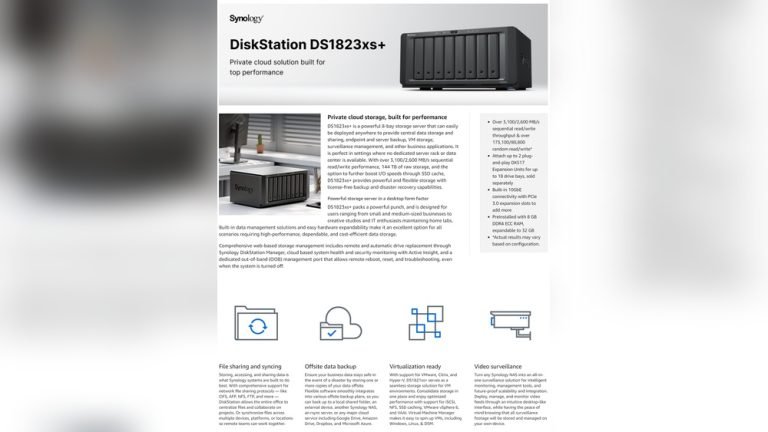
Network Attached Storage is a dedicated device that connects to your local network. Instead of plugging a hard drive into one computer, you make a central hub where everyone on your network can access files. Think of NAS as your own private cloud—always available, much faster, and under your control.
NAS networking covers all the ways your device shares files and connects to your other computers, phones, and even remote users. It’s not just about copying files; it handles permissions, speed, security, and remote access. Let’s break down the most important protocols and concepts you’ll see.
Smb: The Most Common File Sharing Protocol
SMB stands for Server Message Block. If you use Windows, SMB is the default way you connect to shared folders and drives on your network. It’s fast, reliable, and supports many features like file locking and permissions.
How Smb Works
SMB runs over your local network. When you map a NAS folder as a network drive, Windows uses SMB in the background. Mac and Linux can also use SMB, making it very flexible.
- Easy to set up: Most NAS devices have SMB enabled by default.
- Supports user permissions: You can control who sees or edits files.
- File locking: Prevents two people from editing the same file at once.
Smb In Action
A graphic design team uses an NAS with SMB. Designers on Windows and Mac access the same folders for shared projects. With SMB, everyone can open, save, or lock files, and the workflow stays smooth.
Common Mistakes
- Using old SMB versions can be risky. SMB1 is not secure—always use SMB2 or SMB3.
- Forgetting to set strong passwords. Anyone on your network can see open shares if you don’t restrict access.
Nfs: Fast Sharing For Linux And Unix
NFS stands for Network File System. It’s popular with Linux and Unix users. While SMB works well for Windows, NFS is the default for Linux servers, media centers, and virtual machines.
How Nfs Differs From Smb
NFS is simple and efficient, especially for big files or many users. It’s less chatty than SMB, so it can be faster in some cases. But it doesn’t support Windows security features as deeply.
- Great for Linux: If your network uses Linux or macOS, NFS offers high speed.
- Simple permissions: NFS uses basic Unix permissions (read, write, execute).
- Not encrypted by default: You need extra steps to secure NFS traffic.
Nfs In Action
A video studio edits huge 4K files directly from its NAS. Their Linux workstations use NFS for maximum speed, letting editors work with large files without slowdowns.
Non-obvious Insight
Many NAS devices let you enable both SMB and NFS at the same time. You can serve both Windows and Linux users, but be careful: editing the same file using both protocols can cause confusion with permissions.
Ftp: Classic Tool For Remote Transfers
FTP stands for File Transfer Protocol. It’s one of the oldest ways to move files across networks or the internet. While less common for daily file sharing now, FTP is useful for automation, web hosting, and moving large files between sites.
How Ftp Works
FTP creates a connection between your computer and the NAS. You use an FTP client (like FileZilla) to log in, browse folders, and upload or download files.
- Works anywhere: FTP can cross firewalls and works over the internet.
- Automated transfers: Many backup tools and web servers use FTP scripts.
- Not secure by default: Standard FTP sends files and passwords in plain text.
Secure Ftp (ftps/sftp)
To protect your data, always use FTPS (FTP Secure) or SFTP (SSH File Transfer Protocol). These encrypt your files during transfer.
Ftp In Action
A business needs to send large print files to a remote partner. They use SFTP to upload files to the NAS, ensuring only the right people can access them.
Practical Tip
Many NAS devices let you set up a special FTP-only user. This limits what that user can see and do—helpful for clients or partners who need temporary access.
Vpn: Safe Access to NAS From Anywhere
VPN stands for Virtual Private Network. Imagine you’re traveling but need to access your NAS at home or the office. If you connect directly over the internet, your files are exposed. A VPN creates a private tunnel between your device and the NAS network.
How Vpn Works
When you connect with a VPN, your computer acts as if it’s inside the home network. You can access shared folders, printers, or servers as if you’re physically present.
- Encrypts data: All your traffic is hidden from outsiders.
- Bypasses restrictions: Some networks block SMB or NFS, but VPN gets around this.
- Works with all protocols: Once connected, you can use SMB, NFS, FTP, or web interfaces.
Vpn In Action
A remote worker logs in to the office network with a VPN. She opens NAS folders, edits documents, and backs up files without worrying about hackers or eavesdroppers.
Non-obvious Insight
Many NAS devices have built-in VPN servers (like OpenVPN or L2TP). You don’t need a separate router or firewall to offer secure remote access.
Static Ip: Reliable Address For Your Nas
Every device on your network gets an IP address. By default, your router gives out random addresses (DHCP). But if your NAS changes its IP, your mapped drives or backup jobs may break. That’s why a static IP is important.
What is a static IP?
A static IP is a fixed address you assign to your NAS. It never changes, so your computers always know where to find it.
- Prevents broken links: Mapped drives and shortcuts keep working.
- Easier port forwarding: If you want remote access, a static IP is required.
- Simplifies troubleshooting: You always know where your NAS is.
How To Set A Static Ip
You can set a static IP in your NAS settings or reserve an address in your router’s DHCP table. Make sure the address is outside the range given to other devices.
Static IP in Action
A company runs automatic backups from 10 computers to the NAS. With a static IP, all jobs run smoothly, even after power outages or reboots.
Practical Tip
If you have many devices, keep a list of static IP addresses to avoid conflicts.
Port Forwarding: Open Your NAS to the World
Sometimes, you want to reach your NAS from outside your network—maybe to grab a file when you’re away. Port forwarding is the process that lets outside connections reach your NAS.
How Port Forwarding Works
Your router blocks most incoming connections for safety. With port forwarding, you tell the router, “Send traffic on a certain port to my NAS. ” For example, if someone tries to connect on port 445 (SMB), the router forwards it to your NAS device.
- Enables remote access: Use SMB, FTP, or web interfaces from anywhere.
- Works with dynamic DNS: If your home IP changes, dynamic DNS keeps your address updated.
- Can be risky: Opening ports exposes your device to the internet.
Security First
Never forward sensitive ports (like SMB) to the open internet without protection. Always use a VPN or strong passwords. Change default ports to reduce bot attacks.
Port Forwarding In Action
A photographer on vacation needs to send files to a client. She connects to her home NAS through port forwarding and grabs the photos quickly.
10Gbe: Ultra-fast Networking For Nas
As files get bigger (think 4K videos or huge backups), regular Gigabit Ethernet (1GbE) can become a bottleneck. 10GbE, or 10 Gigabit Ethernet, is the next step up—ten times faster than standard networks.
Why 10gbe Matters
- Speed: Transfer rates up to 1,000 MB/s (megabytes per second).
- Multiple users: Many people can copy files without slowdowns.
- Future-proof: Handles years of growth for storage and backup needs.
What You Need For 10gbe
- 10GbE NAS: Many newer NAS models include one or two 10GbE ports.
- 10GbE Switch: Connects NAS and computers at high speed.
- 10GbE Network Cards: Install in your workstations or servers.
10gbe In Action
A video production house edits raw footage directly from the NAS. Large teams work together without waiting for files to copy, saving hours each week.
Comparing Network Speeds
Here’s a quick look at how 10GbE stacks up:
| Network Type | Max Speed (Mbps) | Real-World Transfer (MB/s) |
|---|---|---|
| Fast Ethernet (100Mb) | 100 | 10-12 |
| Gigabit Ethernet (1GbE) | 1,000 | 100-120 |
| 10 Gigabit Ethernet (10GbE) | 10,000 | 1,000+ |
Non-obvious Insight
Not all cables support 10GbE over long distances. For best results, use Cat6a or higher cables, and keep runs under 55 meters for copper wiring.
Choosing The Right Protocol: Smb, Nfs, Or Ftp?
With so many options, how do you pick the best protocol for your needs? Here’s a simple comparison:
| Protocol | Best For | Security | Platform Support |
|---|---|---|---|
| SMB | Windows, mixed OS | Strong (SMB3) | Windows, macOS, Linux |
| NFS | Linux, Unix, macOS | Moderate (add encryption) | Linux, macOS, some Windows |
| FTP/SFTP | Remote transfers, automation | Weak/Strong (SFTP) | All OS |
Key Takeaway: Use SMB for Windows and mixed networks, NFS for Linux-heavy environments, and SFTP for secure remote file transfers.
Setting Up Your NAS Network: Step-by-step
Let’s walk through a basic setup for a small office or home NAS. This covers file sharing, remote access, and fast speeds.
1. Connect Your Nas
Plug your NAS into your router or network switch. For 10GbE, use the right port and cable.
2. Assign A Static Ip
Log into your NAS or router and set a fixed IP address. Write it down for future use.
3. Enable Smb And/or Nfs
In your NAS control panel, turn on SMB for Windows/macOS or NFS for Linux. Create user accounts and set permissions.
4. Set Up Ftp Or Sftp
If you need remote file transfers, enable FTP/SFTP and create a limited user. Test access with FileZilla or another FTP client.
5. Configure Vpn (optional)
Set up the VPN server on your NAS. Download the VPN client for your laptop or phone. Test remote access to your files.
6. Set Up Port Forwarding (with Caution)
If you must open remote access, forward only necessary ports and use strong passwords. Consider using a VPN instead for better security.
7. Upgrade to 10GbE (if Needed)
Install 10GbE cards in your NAS and main computers. Use a 10GbE switch to connect everything. Check cable quality.
8. Test And Monitor
Access your NAS from all devices. Try large transfers and remote access. Monitor for any errors or slowdowns.
Security Best Practices for NAS Networking
Your files are valuable. Follow these tips to keep your NAS network safe:
- Always update firmware: New updates fix security holes.
- Use strong passwords: Avoid common words or short phrases.
- Limit open ports: Only open what you need, nothing extra.
- Enable two-factor authentication: Many NAS systems support this.
- Check logs regularly: Watch for failed login attempts or strange activity.
- Backup data: Use another NAS, an external drive, or cloud backup for peace of mind.
Common NAS Networking Scenarios
To see how these features work together, let’s look at real-world examples.
Small Office File Sharing
A company with 15 staff uses a NAS for shared documents. They enable SMB, set static IP, and control access by department. Backups run overnight to another NAS.
Remote Access For Freelancers
A freelance designer sets up SFTP on her NAS. Clients upload files directly, and she grabs them from anywhere using a VPN when traveling.
Creative Studio With High-speed Editing
A video studio installs 10GbE cards in its NAS and editing PCs. They use NFS for Linux workstations, giving editors direct access to huge media files without slowdowns.
Family Media Server
A home NAS stores movies, photos, and music. SMB shares are set up for each family member. Port forwarding is used for remote access, but only with strong passwords and limited permissions.
Cross-platform Collaboration
An engineering team uses both Windows and Linux. They enable both SMB and NFS on the same NAS, with clear permissions to avoid confusion.
Troubleshooting NAS Networking Issues
Even with the best setup, problems can happen. Here’s how to solve common issues:
Slow File Transfers
- Check your cables: Use Cat6 or better for Gigabit and Cat6a for 10GbE.
- Look for network congestion: Too many devices on Wi-Fi can slow things down.
- Update firmware and drivers: Old software can bottleneck speeds.
Can’t Connect to NAS
- Check IP address: Make sure you’re using the static IP.
- Firewall issues: Your PC or router may block some protocols.
- Permissions: Confirm your user has access to the shared folders.
Remote Access Not Working
- Port forwarding: Double-check settings for correct ports and IP.
- VPN setup: Test VPN connection from outside your network.
- Dynamic IP: Your home IP address may change—use dynamic DNS.
File Permission Errors
- SMB/NFS differences: Permissions set in one protocol may not match the other.
- User accounts: Make sure you’re logging in with the right username and password.
Random Disconnects
- Power saving: Some NAS devices sleep after a while—adjust settings.
- Network drops: Check for faulty cables or unstable Wi-Fi.
Planning For Growth: When To Upgrade
Your NAS network can handle a lot, but you may need to upgrade as your needs grow.
- More users: If your team grows, consider faster hardware or 10GbE.
- Bigger files: Video, VR, and CAD files can fill up storage and slow down transfers.
- Remote work: More remote users may need better VPN or security.
- New devices: Add-on cards, RAM, or new drives can extend your NAS life.
Advanced Features: Beyond Basic Networking
Modern NAS devices offer much more than file sharing. Explore these options as your network matures:
- Snapshot backups: Roll back files to earlier versions if something goes wrong.
- Cloud sync: Link your NAS to services like Google Drive or Dropbox.
- Virtual machines: Run test servers or apps right on your NAS.
- Media streaming: Use Plex or Emby to stream movies and music.
- Surveillance station: Store and manage video from security cameras.
Key Takeaways for NAS Networking
- SMB is best for Windows and mixed networks, NFS for Linux, and SFTP for secure remote transfers.
- A static IP ensures your NAS is always reachable.
- Port forwarding enables remote access but requires caution.
- 10GbE is ideal for high-speed, multi-user environments.
- Combine protocols and features to match your workflow—but always secure your data.
For more technical details on NAS protocols, visit Wikipedia’s NAS page.
Frequently Asked Questions
What Is The Difference Between Smb, Nfs, And Ftp?
SMB is best for Windows and works well for mixed networks. NFS is faster for Linux and Unix systems. FTP is good for remote or automated transfers but is less secure unless you use SFTP or FTPS.
Is It Safe To Access My Nas Over The Internet?
It can be safe if you use a VPN or secure protocols like SFTP. Direct port forwarding for SMB or FTP is risky unless you use strong passwords and keep your NAS updated.
How Do I Know If I Need 10Gbe For My NAS?
If you edit large files, have many users, or want future-proof speed, 10GbE is worth it. Most home users are fine with Gigabit Ethernet.
Can I Use Smb And Nfs At The Same Time?
Yes, most NAS devices support both, but you should set clear permissions and avoid editing the same files with both protocols to prevent conflicts.
What Is A Static IP, And Why Do I Need It for NAS?
A static IP is a fixed network address for your NAS. It ensures mapped drives, backups, and remote access always work, even if your router restarts.
Building a NAS network can feel complex, but with the right protocols and a little planning, you’ll have a system that’s fast, secure, and works exactly how you need. Whether you’re sharing family photos or running a creative studio, understanding these basics will help you get the most from your NAS investment.
What Is NAS Networking?
Network Attached Storage is a dedicated device that connects to your local network. Instead of plugging a hard drive into one computer, you make a central hub where everyone on your network can access files. Think of NAS as your own private cloud—always available, much faster, and under your control.
NAS networking covers all the ways your device shares files and connects to your other computers, phones, and even remote users. It’s not just about copying files; it handles permissions, speed, security, and remote access. Let’s break down the most important protocols and concepts you’ll see.
Smb: The Most Common File Sharing Protocol
SMB stands for Server Message Block. If you use Windows, SMB is the default way you connect to shared folders and drives on your network. It’s fast, reliable, and supports many features like file locking and permissions.
How Smb Works
SMB runs over your local network. When you map a NAS folder as a network drive, Windows uses SMB in the background. Mac and Linux can also use SMB, making it very flexible.
- Easy to set up: Most NAS devices have SMB enabled by default.
- Supports user permissions: You can control who sees or edits files.
- File locking: Prevents two people from editing the same file at once.
Smb In Action
A graphic design team uses an NAS with SMB. Designers on Windows and Mac access the same folders for shared projects. With SMB, everyone can open, save, or lock files, and the workflow stays smooth.
Common Mistakes
- Using old SMB versions can be risky. SMB1 is not secure—always use SMB2 or SMB3.
- Forgetting to set strong passwords. Anyone on your network can see open shares if you don’t restrict access.
Nfs: Fast Sharing For Linux And Unix
NFS stands for Network File System. It’s popular with Linux and Unix users. While SMB works well for Windows, NFS is the default for Linux servers, media centers, and virtual machines.
How Nfs Differs From Smb
NFS is simple and efficient, especially for big files or many users. It’s less chatty than SMB, so it can be faster in some cases. But it doesn’t support Windows security features as deeply.
- Great for Linux: If your network uses Linux or macOS, NFS offers high speed.
- Simple permissions: NFS uses basic Unix permissions (read, write, execute).
- Not encrypted by default: You need extra steps to secure NFS traffic.
Nfs In Action
A video studio edits huge 4K files directly from its NAS. Their Linux workstations use NFS for maximum speed, letting editors work with large files without slowdowns.
Non-obvious Insight
Many NAS devices let you enable both SMB and NFS at the same time. You can serve both Windows and Linux users, but be careful: editing the same file using both protocols can cause confusion with permissions.
Ftp: Classic Tool For Remote Transfers
FTP stands for File Transfer Protocol. It’s one of the oldest ways to move files across networks or the internet. While less common for daily file sharing now, FTP is useful for automation, web hosting, and moving large files between sites.
How Ftp Works
FTP creates a connection between your computer and the NAS. You use an FTP client (like FileZilla) to log in, browse folders, and upload or download files.
- Works anywhere: FTP can cross firewalls and works over the internet.
- Automated transfers: Many backup tools and web servers use FTP scripts.
- Not secure by default: Standard FTP sends files and passwords in plain text.
Secure Ftp (ftps/sftp)
To protect your data, always use FTPS (FTP Secure) or SFTP (SSH File Transfer Protocol). These encrypt your files during transfer.
Ftp In Action
A business needs to send large print files to a remote partner. They use SFTP to upload files to the NAS, ensuring only the right people can access them.
Practical Tip
Many NAS devices let you set up a special FTP-only user. This limits what that user can see and do—helpful for clients or partners who need temporary access.
Vpn: Safe Access to NAS From Anywhere
VPN stands for Virtual Private Network. Imagine you’re traveling but need to access your NAS at home or the office. If you connect directly over the internet, your files are exposed. A VPN creates a private tunnel between your device and the NAS network.
How Vpn Works
When you connect with VPN, your computer acts as if it’s inside the home network. You can access shared folders, printers, or servers as if you’re physically present.
- Encrypts data: All your traffic is hidden from outsiders.
- Bypasses restrictions: Some networks block SMB or NFS, but VPN gets around this.
- Works with all protocols: Once connected, you can use SMB, NFS, FTP, or web interfaces.
Vpn In Action
A remote worker logs in to the office network with a VPN. She opens NAS folders, edits documents, and backs up files without worrying about hackers or eavesdroppers.
Non-obvious Insight
Many NAS devices have built-in VPN servers (like OpenVPN or L2TP). You don’t need a separate router or firewall to offer secure remote access.
Static Ip: Reliable Address For Your Nas
Every device on your network gets an IP address. By default, your router gives out random addresses (DHCP). But if your NAS changes its IP, your mapped drives or backup jobs may break. That’s why a static IP is important.
What is a static IP?
A static IP is a fixed address you assign to your NAS. It never changes, so your computers always know where to find it.
- Prevents broken links: Mapped drives and shortcuts keep working.
- Easier port forwarding: If you want remote access, a static IP is required.
- Simplifies troubleshooting: You always know where your NAS is.
How To Set A Static IP
You can set a static IP in your NAS settings or reserve an address in your router’s DHCP table. Make sure the address is outside the range given to other devices.
Static IP in Action
A company runs automatic backups from 10 computers to the NAS. With a static IP, all jobs run smoothly, even after power outages or reboots.
Practical Tip
If you have many devices, keep a list of static IP addresses to avoid conflicts.
Port Forwarding: Open Your NAS to the World
Sometimes, you want to reach your NAS from outside your network—maybe to grab a file when you’re away. Port forwarding is the process that lets outside connections reach your NAS.
How Port Forwarding Works
Your router blocks most incoming connections for safety. With port forwarding, you tell the router, “Send traffic on a certain port to my NAS. ” For example, if someone tries to connect on port 445 (SMB), the router forwards it to your NAS device.
- Enables remote access: Use SMB, FTP, or web interfaces from anywhere.
- Works with dynamic DNS: If your home IP changes, dynamic DNS keeps your address updated.
- Can be risky: Opening ports exposes your device to the internet.
Security First
Never forward sensitive ports (like SMB) to the open internet without protection. Always use a VPN or strong passwords. Change default ports to reduce bot attacks.
Port Forwarding In Action
A photographer on vacation needs to send files to a client. She connects to her home NAS through port forwarding and grabs the photos quickly.
10Gbe: Ultra-fast Networking For Nas
As files get bigger (think 4K videos or huge backups), regular Gigabit Ethernet (1GbE) can become a bottleneck. 10GbE, or 10 Gigabit Ethernet, is the next step up—ten times faster than standard networks.
Why 10gbe Matters
- Speed: Transfer rates up to 1,000 MB/s (megabytes per second).
- Multiple users: Many people can copy files without slowdowns.
- Future-proof: Handles years of growth for storage and backup needs.
What You Need For 10gbe
- 10GbE NAS: Many newer NAS models include one or two 10GbE ports.
- 10GbE Switch: Connects NAS and computers at high speed.
- 10GbE Network Cards: Install in your workstations or servers.
10gbe In Action
A video production house edits raw footage directly from the NAS. Large teams work together without waiting for files to copy, saving hours each week.
Comparing Network Speeds
Here’s a quick look at how 10GbE stacks up:
| Network Type | Max Speed (Mbps) | Real-World Transfer (MB/s) |
|---|---|---|
| Fast Ethernet (100Mb) | 100 | 10-12 |
| Gigabit Ethernet (1GbE) | 1,000 | 100-120 |
| 10 Gigabit Ethernet (10GbE) | 10,000 | 1,000+ |
Non-obvious Insight
Not all cables support 10GbE over long distances. For best results, use Cat6a or higher cables, and keep runs under 55 meters for copper wiring.
Choosing The Right Protocol: Smb, Nfs, Or Ftp?
With so many options, how do you pick the best protocol for your needs? Here’s a simple comparison:
| Protocol | Best For | Security | Platform Support |
|---|---|---|---|
| SMB | Windows, mixed OS | Strong (SMB3) | Windows, macOS, Linux |
| NFS | Linux, Unix, macOS | Moderate (add encryption) | Linux, macOS, some Windows |
| FTP/SFTP | Remote transfers, automation | Weak/Strong (SFTP) | All OS |
Key Takeaway: Use SMB for Windows and mixed networks, NFS for Linux-heavy environments, and SFTP for secure remote file transfers.
Setting Up Your Nas Network: Step-by-step
Let’s walk through a basic setup for a small office or home NAS. This covers file sharing, remote access, and fast speeds.
1. Connect Your Nas
Plug your NAS into your router or network switch. For 10GbE, use the right port and cable.
2. Assign A Static IP
Log into your NAS or router and set a fixed IP address. Write it down for future use.
3. Enable Smb And/or Nfs
In your NAS control panel, turn on SMB for Windows/macOS or NFS for Linux. Create user accounts and set permissions.
4. Set Up Ftp Or Sftp
If you need remote file transfers, enable FTP/SFTP and create a limited user. Test access with FileZilla or another FTP client.
5. Configure Vpn (optional)
Set up the VPN server on your NAS. Download the VPN client for your laptop or phone. Test remote access to your files.
6. Set Up Port Forwarding (with Caution)
If you must open remote access, forward only necessary ports and use strong passwords. Consider using a VPN instead for better security.
7. Upgrade to 10GbE (if Needed)
Install 10GbE cards in your NAS and main computers. Use a 10GbE switch to connect everything. Check cable quality.
8. Test And Monitor
Access your NAS from all devices. Try large transfers and remote access. Monitor for any errors or slowdowns.
Security Best Practices for NAS Networking
Your files are valuable. Follow these tips to keep your NAS network safe:
- Always update firmware: New updates fix security holes.
- Use strong passwords: Avoid common words or short phrases.
- Limit open ports: Only open what you need, nothing extra.
- Enable two-factor authentication: Many NAS systems support this.
- Check logs regularly: Watch for failed login attempts or strange activity.
- Backup data: Use another NAS, an external drive, or cloud backup for peace of mind.
Common Nas Networking Scenarios
To see how these features work together, let’s look at real-world examples.
Small Office File Sharing
A company with 15 staff uses a NAS for shared documents. They enable SMB, set static IP, and control access by department. Backups run overnight to another NAS.
Remote Access For Freelancers
A freelance designer sets up SFTP on her NAS. Clients upload files directly, and she grabs them from anywhere using a VPN when traveling.
Creative Studio With High-speed Editing
A video studio installs 10GbE cards in its NAS and editing PCs. They use NFS for Linux workstations, giving editors direct access to huge media files without slowdowns.
Family Media Server
A home NAS stores movies, photos, and music. SMB shares are set up for each family member. Port forwarding is used for remote access, but only with strong passwords and limited permissions.
Cross-platform Collaboration
An engineering team uses both Windows and Linux. They enable both SMB and NFS on the same NAS, with clear permissions to avoid confusion.
Troubleshooting NAS Networking Issues
Even with the best setup, problems can happen. Here’s how to solve common issues:
Slow File Transfers
- Check your cables: Use Cat6 or better for Gigabit and Cat6a for 10GbE.
- Look for network congestion: Too many devices on Wi-Fi can slow things down.
- Update firmware and drivers: Old software can bottleneck speeds.
Can’t Connect to NAS
- Check IP address: Make sure you’re using the static IP.
- Firewall issues: Your PC or router may block some protocols.
- Permissions: Confirm your user has access to the shared folders.
Remote Access Not Working
- Port forwarding: Double-check settings for correct ports and IP.
- VPN setup: Test VPN connection from outside your network.
- Dynamic IP: Your home IP address may change—use dynamic DNS.
File Permission Errors
- SMB/NFS differences: Permissions set in one protocol may not match the other.
- User accounts: Make sure you’re logging in with the right username and password.
Random Disconnects
- Power saving: Some NAS devices sleep after a while—adjust settings.
- Network drops: Check for faulty cables or unstable Wi-Fi.
Planning For Growth: When To Upgrade
Your NAS network can handle a lot, but you may need to upgrade as your needs grow.
- More users: If your team grows, consider faster hardware or 10GbE.
- Bigger files: Video, VR, and CAD files can fill up storage and slow down transfers.
- Remote work: More remote users may need better VPN or security.
- New devices: Add-on cards, RAM, or new drives can extend your NAS life.
Advanced Features: Beyond Basic Networking
Modern NAS devices offer much more than file sharing. Explore these options as your network matures:
- Snapshot backups: Roll back files to earlier versions if something goes wrong.
- Cloud sync: Link your NAS to services like Google Drive or Dropbox.
- Virtual machines: Run test servers or apps right on your NAS.
- Media streaming: Use Plex or Emby to stream movies and music.
- Surveillance station: Store and manage video from security cameras.
Key Takeaways for NAS Networking
- SMB is best for Windows and mixed networks, NFS for Linux, and SFTP for secure remote transfers.
- A static IP ensures your NAS is always reachable.
- Port forwarding enables remote access but requires caution.
- 10GbE is ideal for high-speed, multi-user environments.
- Combine protocols and features to match your workflow—but always secure your data.
For more technical details on NAS protocols, visit Wikipedia’s NAS page.
Frequently Asked Questions
What Is The Difference Between Smb, Nfs, And Ftp?
SMB is best for Windows and works well for mixed networks. NFS is faster for Linux and Unix systems. FTP is good for remote or automated transfers but is less secure unless you use SFTP or FTPS.
Is It Safe To Access My Nas Over The Internet?
It can be safe if you use a VPN or secure protocols like SFTP. Direct port forwarding for SMB or FTP is risky unless you use strong passwords and keep your NAS updated.
How Do I Know If I Need 10Gbe For My NAS?
If you edit large files, have many users, or want future-proof speed, 10GbE is worth it. Most home users are fine with Gigabit Ethernet.
Can I Use Smb And Nfs At The Same Time?
Yes, most NAS devices support both, but you should set clear permissions and avoid editing the same files with both protocols to prevent conflicts.
What Is A Static IP, And Why Do I Need It for NAS?
A static IP is a fixed network address for your NAS. It ensures mapped drives, backups, and remote access always work, even if your router restarts.
Building a NAS network can feel complex, but with the right protocols and a little planning, you’ll have a system that’s fast, secure, and works exactly how you need. Whether you’re sharing family photos or running a creative studio, understanding these basics will help you get the most from your NAS investment.
What Is NAS Networking?
Network Attached Storage is a dedicated device that connects to your local network. Instead of plugging a hard drive into one computer, you make a central hub where everyone on your network can access files. Think of NAS as your own private cloud—always available, much faster, and under your control.
NAS networking covers all the ways your device shares files and connects to your other computers, phones, and even remote users. It’s not just about copying files; it handles permissions, speed, security, and remote access. Let’s break down the most important protocols and concepts you’ll see.
Smb: The Most Common File Sharing Protocol
SMB stands for Server Message Block. If you use Windows, SMB is the default way you connect to shared folders and drives on your network. It’s fast, reliable, and supports many features like file locking and permissions.
How Smb Works
SMB runs over your local network. When you map a NAS folder as a network drive, Windows uses SMB in the background. Mac and Linux can also use SMB, making it very flexible.
- Easy to set up: Most NAS devices have SMB enabled by default.
- Supports user permissions: You can control who sees or edits files.
- File locking: Prevents two people from editing the same file at once.
Smb In Action
A graphic design team uses an NAS with SMB. Designers on Windows and Mac access the same folders for shared projects. With SMB, everyone can open, save, or lock files, and the workflow stays smooth.
Common Mistakes
- Using old SMB versions can be risky. SMB1 is not secure—always use SMB2 or SMB3.
- Forgetting to set strong passwords. Anyone on your network can see open shares if you don’t restrict access.
Nfs: Fast Sharing For Linux And Unix
NFS stands for Network File System. It’s popular with Linux and Unix users. While SMB works well for Windows, NFS is the default for Linux servers, media centers, and virtual machines.
How Nfs Differs From Smb
NFS is simple and efficient, especially for big files or many users. It’s less chatty than SMB, so it can be faster in some cases. But it doesn’t support Windows security features as deeply.
- Great for Linux: If your network uses Linux or macOS, NFS offers high speed.
- Simple permissions: NFS uses basic Unix permissions (read, write, execute).
- Not encrypted by default: You need extra steps to secure NFS traffic.
Nfs In Action
A video studio edits huge 4K files directly from its NAS. Their Linux workstations use NFS for maximum speed, letting editors work with large files without slowdowns.
Non-obvious Insight
Many NAS devices let you enable both SMB and NFS at the same time. You can serve both Windows and Linux users, but be careful: editing the same file using both protocols can cause confusion with permissions.
Ftp: Classic Tool For Remote Transfers
FTP stands for File Transfer Protocol. It’s one of the oldest ways to move files across networks or the internet. While less common for daily file sharing now, FTP is useful for automation, web hosting, and moving large files between sites.
How Ftp Works
FTP creates a connection between your computer and the NAS. You use an FTP client (like FileZilla) to log in, browse folders, and upload or download files.
- Works anywhere: FTP can cross firewalls and works over the internet.
- Automated transfers: Many backup tools and web servers use FTP scripts.
- Not secure by default: Standard FTP sends files and passwords in plain text.
Secure Ftp (ftps/sftp)
To protect your data, always use FTPS (FTP Secure) or SFTP (SSH File Transfer Protocol). These encrypt your files during transfer.
Ftp In Action
A business needs to send large print files to a remote partner. They use SFTP to upload files to the NAS, ensuring only the right people can access them.
Practical Tip
Many NAS devices let you set up a special FTP-only user. This limits what that user can see and do—helpful for clients or partners who need temporary access.
Vpn: Safe Access to NAS From Anywhere
VPN stands for Virtual Private Network. Imagine you’re traveling but need to access your NAS at home or the office. If you connect directly over the internet, your files are exposed. A VPN creates a private tunnel between your device and the NAS network.
How Vpn Works
When you connect with a VPN, your computer acts as if it’s inside the home network. You can access shared folders, printers, or servers as if you’re physically present.
- Encrypts data: All your traffic is hidden from outsiders.
- Bypasses restrictions: Some networks block SMB or NFS, but VPN gets around this.
- Works with all protocols: Once connected, you can use SMB, NFS, FTP, or web interfaces.
Vpn In Action
A remote worker logs in to the office network with a VPN. She opens NAS folders, edits documents, and backs up files without worrying about hackers or eavesdroppers.
Non-obvious Insight
Many NAS devices have built-in VPN servers (like OpenVPN or L2TP). You don’t need a separate router or firewall to offer secure remote access.
Static Ip: Reliable Address For Your Nas
Every device on your network gets an IP address. By default, your router gives out random addresses (DHCP). But if your NAS changes its IP, your mapped drives or backup jobs may break. That’s why a static IP is important.
What Is A Static Ip?
A static IP is a fixed address you assign to your NAS. It never changes, so your computers always know where to find it.
- Prevents broken links: Mapped drives and shortcuts keep working.
- Easier port forwarding: If you want remote access, a static IP is required.
- Simplifies troubleshooting: You always know where your NAS is.
How To Set A Static IP
You can set a static IP in your NAS settings or reserve an address in your router’s DHCP table. Make sure the address is outside the range given to other devices.
Static IP in Action
A company runs automatic backups from 10 computers to the NAS. With a static IP, all jobs run smoothly, even after power outages or reboots.
Practical Tip
If you have many devices, keep a list of static IP addresses to avoid conflicts.
Port Forwarding: Open Your NAS to the World
Sometimes, you want to reach your NAS from outside your network—maybe to grab a file when you’re away. Port forwarding is the process that lets outside connections reach your NAS.
How Port Forwarding Works
Your router blocks most incoming connections for safety. With port forwarding, you tell the router, “Send traffic on a certain port to my NAS. ” For example, if someone tries to connect on port 445 (SMB), the router forwards it to your NAS device.
- Enables remote access: Use SMB, FTP, or web interfaces from anywhere.
- Works with dynamic DNS: If your home IP changes, dynamic DNS keeps your address updated.
- Can be risky: Opening ports exposes your device to the internet.
Security First
Never forward sensitive ports (like SMB) to the open internet without protection. Always use a VPN or strong passwords. Change default ports to reduce bot attacks.
Port Forwarding In Action
A photographer on vacation needs to send files to a client. She connects to her home NAS through port forwarding and grabs the photos quickly.
10Gbe: Ultra-fast Networking For Nas
As files get bigger (think 4K videos or huge backups), regular Gigabit Ethernet (1GbE) can become a bottleneck. 10GbE, or 10 Gigabit Ethernet, is the next step up—ten times faster than standard networks.
Why 10gbe Matters
- Speed: Transfer rates up to 1,000 MB/s (megabytes per second).
- Multiple users: Many people can copy files without slowdowns.
- Future-proof: Handles years of growth for storage and backup needs.
What You Need For 10gbe
- 10GbE NAS: Many newer NAS models include one or two 10GbE ports.
- 10GbE Switch: Connects NAS and computers at high speed.
- 10GbE Network Cards: Install in your workstations or servers.
10gbe In Action
A video production house edits raw footage directly from the NAS. Large teams work together without waiting for files to copy, saving hours each week.
Comparing Network Speeds
Here’s a quick look at how 10GbE stacks up:
| Network Type | Max Speed (Mbps) | Real-World Transfer (MB/s) |
|---|---|---|
| Fast Ethernet (100Mb) | 100 | 10-12 |
| Gigabit Ethernet (1GbE) | 1,000 | 100-120 |
| 10 Gigabit Ethernet (10GbE) | 10,000 | 1,000+ |
Non-obvious Insight
Not all cables support 10GbE over long distances. For best results, use Cat6a or higher cables, and keep runs under 55 meters for copper wiring.
Choosing The Right Protocol: Smb, Nfs, Or Ftp?
With so many options, how do you pick the best protocol for your needs? Here’s a simple comparison:
| Protocol | Best For | Security | Platform Support |
|---|---|---|---|
| SMB | Windows, mixed OS | Strong (SMB3) | Windows, macOS, Linux |
| NFS | Linux, Unix, macOS | Moderate (add encryption) | Linux, macOS, some Windows |
| FTP/SFTP | Remote transfers, automation | Weak/Strong (SFTP) | All OS |
Key Takeaway: Use SMB for Windows and mixed networks, NFS for Linux-heavy environments, and SFTP for secure remote file transfers.
Setting Up Your Nas Network: Step-by-step
Let’s walk through a basic setup for a small office or home NAS. This covers file sharing, remote access, and fast speeds.
1. Connect Your Nas
Plug your NAS into your router or network switch. For 10GbE, use the right port and cable.
2. Assign A Static Ip
Log into your NAS or router and set a fixed IP address. Write it down for future use.
3. Enable Smb And/or Nfs
In your NAS control panel, turn on SMB for Windows/macOS or NFS for Linux. Create user accounts and set permissions.
4. Set Up Ftp Or Sftp
If you need remote file transfers, enable FTP/SFTP and create a limited user. Test access with FileZilla or another FTP client.
5. Configure Vpn (optional)
Set up the VPN server on your NAS. Download the VPN client for your laptop or phone. Test remote access to your files.
6. Set Up Port Forwarding (with Caution)
If you must open remote access, forward only necessary ports and use strong passwords. Consider using a VPN instead for better security.
7. Upgrade to 10GbE (if Needed)
Install 10GbE cards in your NAS and main computers. Use a 10GbE switch to connect everything. Check cable quality.
8. Test And Monitor
Access your NAS from all devices. Try large transfers and remote access. Monitor for any errors or slowdowns.
Security Best Practices for NAS Networking
Your files are valuable. Follow these tips to keep your NAS network safe:
- Always update firmware: New updates fix security holes.
- Use strong passwords: Avoid common words or short phrases.
- Limit open ports: Only open what you need, nothing extra.
- Enable two-factor authentication: Many NAS systems support this.
- Check logs regularly: Watch for failed login attempts or strange activity.
- Backup data: Use another NAS, an external drive, or cloud backup for peace of mind.
Common NAS Networking Scenarios
To see how these features work together, let’s look at real-world examples.
Small Office File Sharing
A company with 15 staff uses a NAS for shared documents. They enable SMB, set static IP, and control access by department. Backups run overnight to another NAS.
Remote Access For Freelancers
A freelance designer sets up SFTP on her NAS. Clients upload files directly, and she grabs them from anywhere using a VPN when traveling.
Creative Studio With High-speed Editing
A video studio installs 10GbE cards in its NAS and editing PCs. They use NFS for Linux workstations, giving editors direct access to huge media files without slowdowns.
Family Media Server
A home NAS stores movies, photos, and music. SMB shares are set up for each family member. Port forwarding is used for remote access, but only with strong passwords and limited permissions.
Cross-platform Collaboration
An engineering team uses both Windows and Linux. They enable both SMB and NFS on the same NAS, with clear permissions to avoid confusion.
Troubleshooting NAS Networking Issues
Even with the best setup, problems can happen. Here’s how to solve common issues:
Slow File Transfers
- Check your cables: Use Cat6 or better for Gigabit and Cat6a for 10GbE.
- Look for network congestion: Too many devices on Wi-Fi can slow things down.
- Update firmware and drivers: Old software can bottleneck speeds.
Can’t Connect to NAS
- Check IP address: Make sure you’re using the static IP.
- Firewall issues: Your PC or router may block some protocols.
- Permissions: Confirm your user has access to the shared folders.
Remote Access Not Working
- Port forwarding: Double-check settings for correct ports and IP.
- VPN setup: Test VPN connection from outside your network.
- Dynamic IP: Your home IP address may change—use dynamic DNS.
File Permission Errors
- SMB/NFS differences: Permissions set in one protocol may not match the other.
- User accounts: Make sure you’re logging in with the right username and password.
Random Disconnects
- Power saving: Some NAS devices sleep after a while—adjust settings.
- Network drops: Check for faulty cables or unstable Wi-Fi.
Planning For Growth: When To Upgrade
Your NAS network can handle a lot, but you may need to upgrade as your needs grow.
- More users: If your team grows, consider faster hardware or 10GbE.
- Bigger files: Video, VR, and CAD files can fill up storage and slow down transfers.
- Remote work: More remote users may need better VPN or security.
- New devices: Add-on cards, RAM, or new drives can extend your NAS life.
Advanced Features: Beyond Basic Networking
Modern NAS devices offer much more than file sharing. Explore these options as your network matures:
- Snapshot backups: Roll back files to earlier versions if something goes wrong.
- Cloud sync: Link your NAS to services like Google Drive or Dropbox.
- Virtual machines: Run test servers or apps right on your NAS.
- Media streaming: Use Plex or Emby to stream movies and music.
- Surveillance station: Store and manage video from security cameras.
Key Takeaways for NAS Networking
- SMB is best for Windows and mixed networks, NFS for Linux, and SFTP for secure remote transfers.
- A static IP ensures your NAS is always reachable.
- Port forwarding enables remote access but requires caution.
- 10GbE is ideal for high-speed, multi-user environments.
- Combine protocols and features to match your workflow—but always secure your data.
For more technical details on NAS protocols, visit Wikipedia’s NAS page.
Frequently Asked Questions
What Is The Difference Between Smb, Nfs, And Ftp?
SMB is best for Windows and works well for mixed networks. NFS is faster for Linux and Unix systems. FTP is good for remote or automated transfers but is less secure unless you use SFTP or FTPS.
Is It Safe To Access My Nas Over The Internet?
It can be safe if you use a VPN or secure protocols like SFTP. Direct port forwarding for SMB or FTP is risky unless you use strong passwords and keep your NAS updated.
How Do I Know If I Need 10Gbe For My NAS?
If you edit large files, have many users, or want future-proof speed, 10GbE is worth it. Most home users are fine with Gigabit Ethernet.
Can I Use Smb And Nfs At The Same Time?
Yes, most NAS devices support both, but you should set clear permissions and avoid editing the same files with both protocols to prevent conflicts.
What Is A Static IP, And Why Do I Need It for NAS?
A static IP is a fixed network address for your NAS. It ensures mapped drives, backups, and remote access always work, even if your router restarts.
Building a NAS network can feel complex, but with the right protocols and a little planning, you’ll have a system that’s fast, secure, and works exactly how you need. Whether you’re sharing family photos or running a creative studio, understanding these basics will help you get the most from your NAS investment.