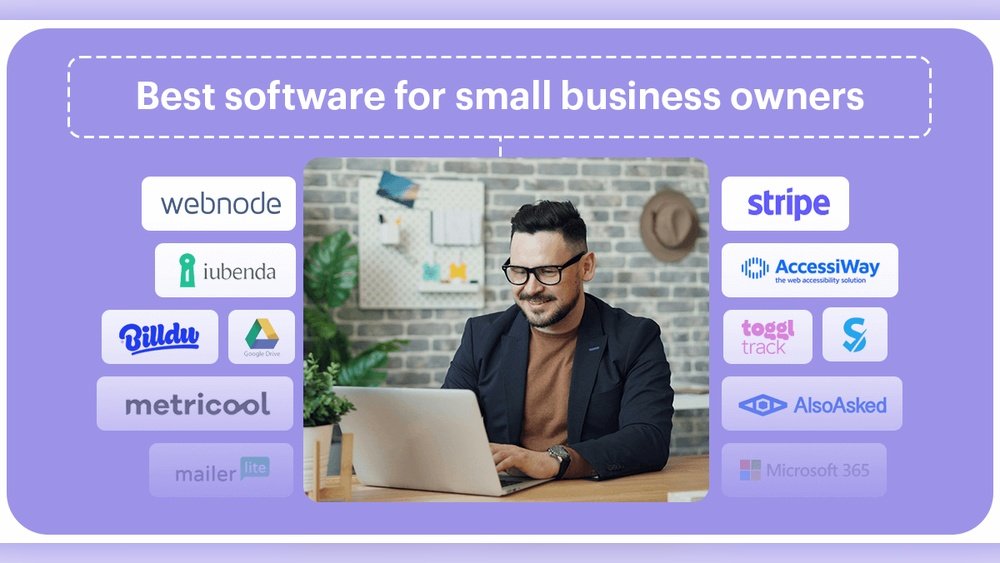
Best Software for Small Business Owners: Top Tools for Success

Running a small business means juggling a lot of tasks every day. From managing finances to keeping your team organized, the right software can make all the difference.
But with so many options out there, how do you pick the best one for your needs? Whether you want to simplify accounting, improve customer relationships, or streamline projects, this guide will help you find the best software for small business owners like you.
Keep reading to discover tools that can save you time, reduce stress, and help your business grow.
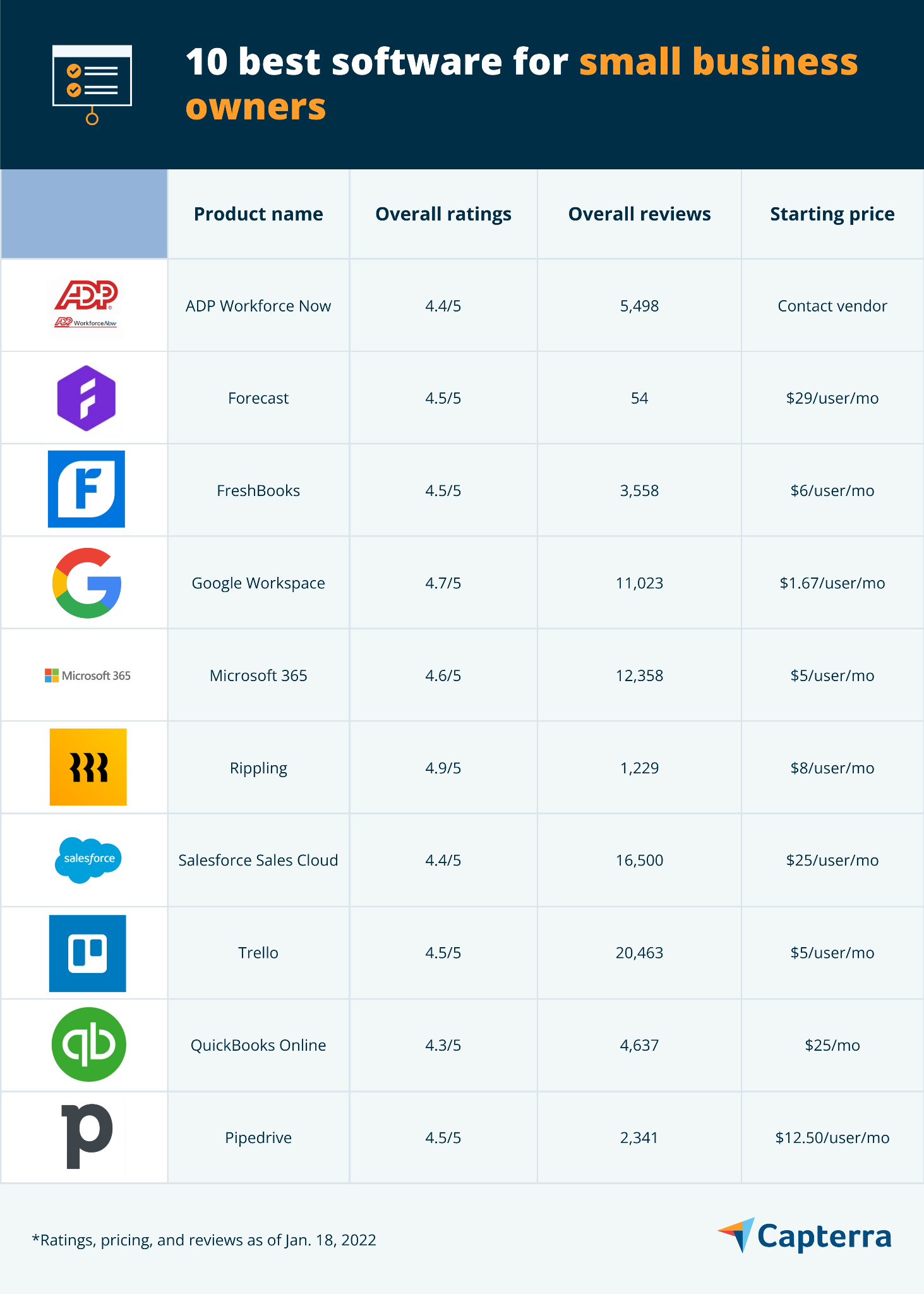
Credit: www.capterra.com
Accounting & Finance Tools
Managing finances is crucial for small business success. Accounting and finance tools simplify this process. These tools track expenses, manage invoices, and handle taxes efficiently.
Choosing the right software saves time and reduces errors. It also helps keep your business organized and compliant. Below are some top options designed for small business owners.
Quickbooks Online Features
QuickBooks Online offers easy bookkeeping and invoicing. It automates expense tracking and bank reconciliation. Users can send professional invoices and receive payments online. The software supports payroll integration and tax filing. It works well on desktop and mobile devices. QuickBooks also provides detailed financial reports. These features help business owners monitor cash flow and profits.
Zoho Books Benefits
Zoho Books is ideal for startups and freelancers. It offers a free plan with essential accounting tools. The software tracks income, expenses, and bank transactions. It allows automated invoice creation and payment reminders. Zoho Books supports project billing and time tracking. Its mobile app is user-friendly and reliable. This tool helps small businesses stay organized and save costs.
Freshbooks Overview
FreshBooks focuses on ease of use and customer service. It simplifies invoicing and expense management. Users can create and send invoices quickly. The software tracks time and project costs accurately. FreshBooks supports online payments and recurring billing. It also generates financial reports for better decision-making. Small business owners appreciate its clean interface and helpful support.

Credit: www.capterra.com
Project & Task Management
Customer Relationship Management (CRM) software helps small businesses manage interactions with clients and customers. It keeps track of contacts, sales, and customer service in one place. This software improves communication and strengthens relationships. Small businesses benefit by organizing data and automating routine tasks.
Choosing the right CRM can boost your business efficiency. The best tools are easy to use and scale with your growth. Below are two popular CRM options designed for small business owners.
Hubspot Crm Capabilities
HubSpot CRM offers a free plan with many features. It allows you to manage contacts and track emails effortlessly. The dashboard shows sales activities and deals in progress. You can automate marketing tasks and create email templates. HubSpot integrates well with other tools, saving time. Reports provide insights to improve sales strategies. The user interface is simple and intuitive. HubSpot is ideal for startups and growing businesses.
Salesforce For Small Business
Salesforce is a powerful CRM used by many companies. It offers customizable features to fit your business needs. Small businesses can track leads, opportunities, and customer interactions. Salesforce provides automation tools to reduce manual work. You can generate detailed reports to analyze sales data. The platform supports mobile access for teams on the go. It integrates with many apps and services. Salesforce suits businesses ready to invest in a flexible CRM solution.
Customer Relationship Management
Running a small business means selling products both online and in person. E-commerce and point of sale (POS) software help manage sales smoothly. These tools handle orders, payments, and inventory from one place. They make selling easier and save time.
Choosing the right software depends on your business needs. Some focus on online stores, others on in-person payments. Both types improve customer experience and boost sales efficiency.
Shopify Online Retail Features
Shopify is a popular platform for online stores. It offers easy setup with many customizable templates. You can list products, track inventory, and manage orders all in one place. Shopify supports multiple payment options, including credit cards and digital wallets.
The platform also includes marketing tools. You can create discount codes, run email campaigns, and sell on social media. Shopify integrates with shipping services to print labels and track packages. This helps small business owners save time and avoid errors.
Square In-person Payments
Square is ideal for small businesses selling in person. It offers simple card readers that connect to phones or tablets. You can accept credit, debit, and contactless payments quickly. Square also tracks sales, inventory, and customer data in one app.
The software provides detailed reports to understand sales trends. It allows you to create invoices and send receipts via text or email. Square works well for pop-up shops, cafes, and service providers. Its low startup cost makes it easy for new businesses to begin accepting payments.

Credit: www.zynnyme.com
E-commerce & Point Of Sale
Good communication and teamwork are essential for small business success. Efficient collaboration tools help teams share ideas, track work, and stay connected. These tools reduce email overload and keep conversations organized. They also make managing projects easier, even with remote or busy teams.
Choosing the right software can improve productivity and boost team morale. Here are two popular tools for collaboration and communication that fit small business needs.
Slack Team Messaging
Slack is a messaging platform designed for team communication. It organizes conversations into channels by topic, project, or team. This helps keep discussions clear and easy to follow. Users can send direct messages, share files, and integrate apps like Google Drive or Zoom.
Slack supports real-time messaging and searchable chat history. This feature allows team members to find important information quickly. Notifications can be customized to avoid distractions. Slack works on desktop and mobile devices, keeping teams connected anywhere.
Asana Project Collaboration
Asana helps teams plan and manage projects in one place. It allows users to create tasks, assign them, and set deadlines. Visual project boards and timelines provide a clear overview of progress. Teams can add comments, attach files, and track task status easily.
Asana improves accountability by showing who is responsible for each task. It also sends reminders to keep projects on track. This software integrates with other tools like Slack and email for smooth workflow. Asana suits small businesses aiming to organize work and meet deadlines efficiently.
Human Resources Software
Automation and integration simplify daily tasks for small business owners. They help connect different apps and tools to work together smoothly. This saves time and reduces errors. Small businesses can focus more on growth and less on manual work. Many software options offer these features to improve efficiency.
Zapier Workflow Automation
Zapier links over 3,000 apps to automate workflows. It moves data between apps without coding. For example, it can save email attachments to cloud storage automatically. Small businesses use Zapier to automate repetitive tasks like sending notifications or updating spreadsheets.
Zapier works with popular tools like Gmail, Slack, and QuickBooks. Users create “Zaps” that trigger actions when certain events happen. This reduces manual data entry and improves task accuracy. Zapier offers easy setup and flexible automation for small teams.
Automate.io Integration Features
Automate.io connects cloud apps to streamline business processes. It supports multi-step workflows to handle complex tasks. For example, it can sync customer data between a CRM and email marketing tool automatically. This keeps information consistent across platforms.
Automate.io integrates with apps like Shopify, Trello, and Salesforce. It offers drag-and-drop workflow building, making automation easy for non-technical users. Small business owners can save time on order processing, lead management, and more. The platform also supports conditional logic for smarter automation.
Conclusion
Choosing the right software helps small business owners save time and money. Focus on tools that fit your budget and needs well. Simple, easy-to-use programs improve daily work and team communication. Try free plans first to find what works best for you.
Keep software that grows with your business and adapts to change. Good software makes managing tasks, customers, and finances much easier. Take small steps to upgrade your business tools and stay organized. This way, you can focus more on growing your business.