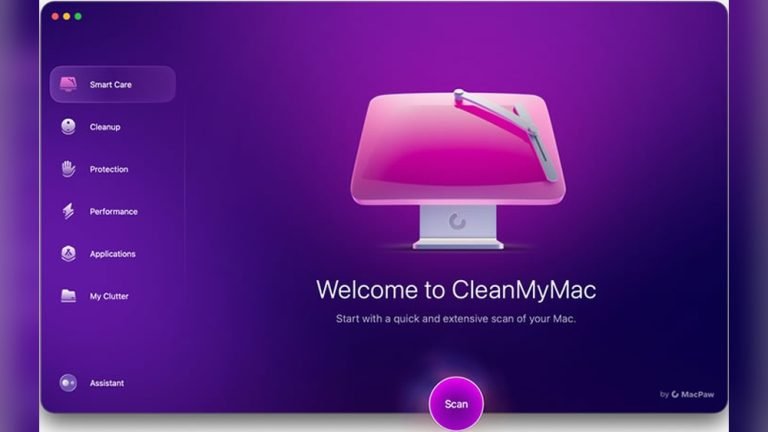
“Best Data Recovery Software After Accidentally Deleting Files”: Top Picks

Have you ever accidentally deleted an important file and felt that sinking feeling? Losing your precious photos, work documents, or critical data can be stressful, but don’t panic just yet.
The right data recovery software can bring those files back from the digital abyss. You’ll discover the best tools designed to help you recover deleted files quickly and safely. Whether you’re a beginner or tech-savvy, you’ll find easy-to-use solutions that protect your data and save you time.
Keep reading to find out how you can recover your lost files and regain peace of mind today.
Top Data Recovery Software
Data recovery software helps retrieve files deleted by accident. It works by searching the storage device for data that is no longer visible. The software scans the device deeply to find recoverable files. This process can restore files even after they are removed from the recycle bin or trash.
The software uses special algorithms to detect file signatures and fragments. It reconstructs the deleted files so users can restore them. Different storage devices and damage types require varied recovery methods. Understanding these methods helps choose the right software for your needs.
Scanning Deleted Files
The first step is scanning the device for deleted data. The software checks both the file system and raw data sectors. It looks for traces of files that the system marks as deleted. This scan can be quick or deep, depending on the user’s choice.
A quick scan finds recently deleted files by examining file tables. A deep scan searches the entire drive for file fragments. This thorough search helps recover files lost a long time ago. Results show files that can be restored with their original names and formats.
Recovering From Different Storage Devices
Data recovery software supports many storage devices. These include hard drives, SSDs, USB flash drives, memory cards, and external drives. Each device has unique features affecting recovery success.
The software adjusts scanning methods to the storage type. For example, SSDs use TRIM commands that can erase deleted files faster. USB drives and memory cards often store files differently than hard drives. Good recovery software can handle these differences smoothly.
Handling Corrupted Or Formatted Drives
Corrupted or formatted drives pose a bigger challenge for recovery. The software tries to rebuild damaged file systems first. It scans the drive for file signatures to find lost data.
Even if a drive is formatted, some data may remain intact in hidden sectors. The recovery tool locates these sectors and recovers files from them. Success depends on how much new data overwrote the old files. Early recovery attempts increase the chance of success.
Key Features To Look For
Recovering deleted files requires a clear and careful process. Following the right steps increases the chance of getting your data back. Each step plays an important role in successful recovery. The process starts with selecting the best software and ends with saving recovered files safely.
Choosing The Right Software
Select software that supports your device and file type. Look for tools with good reviews and a simple interface. Free trials help test features before buying. Ensure the software offers deep scanning and file preview options.
Installing And Setting Up
Download the software from a trusted source to avoid malware. Install it on a different drive than the one with deleted files. This prevents overwriting lost data. Follow on-screen instructions to complete setup quickly.
Performing A Deep Scan
Start a deep scan for thorough search of deleted files. This process may take time depending on disk size. Avoid using the device during scanning to prevent data loss. The software will list found files after scanning.
Previewing And Selecting Files
Preview files before recovery to confirm they are intact. Use the software’s preview feature to check file quality. Select only the files you need to save time and space. Double-check file names and formats for accuracy.
Saving Recovered Data Safely
Save recovered files to a different drive or external storage. Avoid saving on the original disk to prevent overwriting other lost files. Organize recovered data in clearly named folders. Backup important files regularly to avoid future loss.
How Data Recovery Software Works
Maximizing the success of data recovery after accidentally deleting files requires careful actions. Following best practices can improve the chances of restoring lost data. Take immediate steps and avoid mistakes that may overwrite or damage the deleted files.
Below are key tips to help protect your data and increase the likelihood of successful recovery.
Stop Using The Device Immediately
Continue using the device after deleting files risks overwriting lost data. Every new file saved may replace recoverable information. Power off or disconnect the device as soon as possible. This preserves the deleted files in their original state for recovery tools to find.
Avoid Installing Software On Affected Drive
Installing recovery software on the same drive can overwrite deleted files. Use a different device or external media to run the recovery program. This reduces the chance of permanent data loss and keeps the affected drive untouched.
Regular Backups To Prevent Data Loss
Backups are the best defense against accidental deletion. Schedule routine backups of important files to external drives or cloud storage. This practice ensures copies remain safe even if the original files are lost or corrupted.
Conclusion
Choosing the right data recovery software can save your lost files quickly. Many tools offer easy steps to restore deleted data. Always act fast to increase recovery chances. Remember to back up important files regularly. This helps prevent future data loss headaches.
With the right software, deleted files don’t mean disaster. Stay calm and follow recovery instructions carefully. Your data can often be brought back safely.